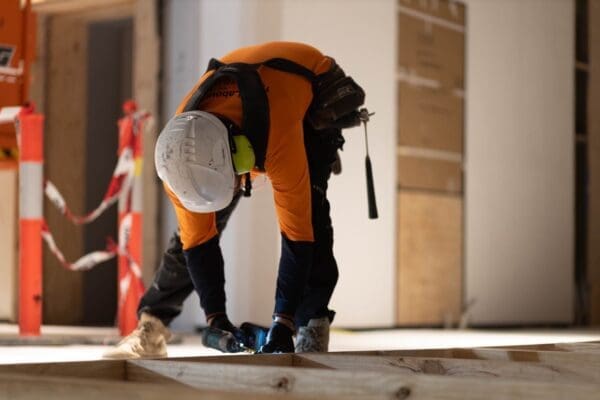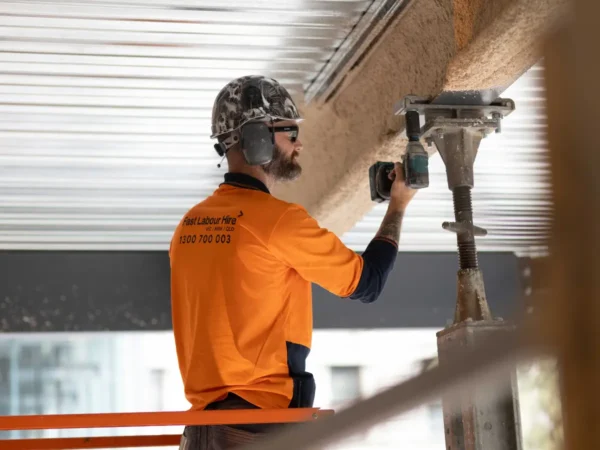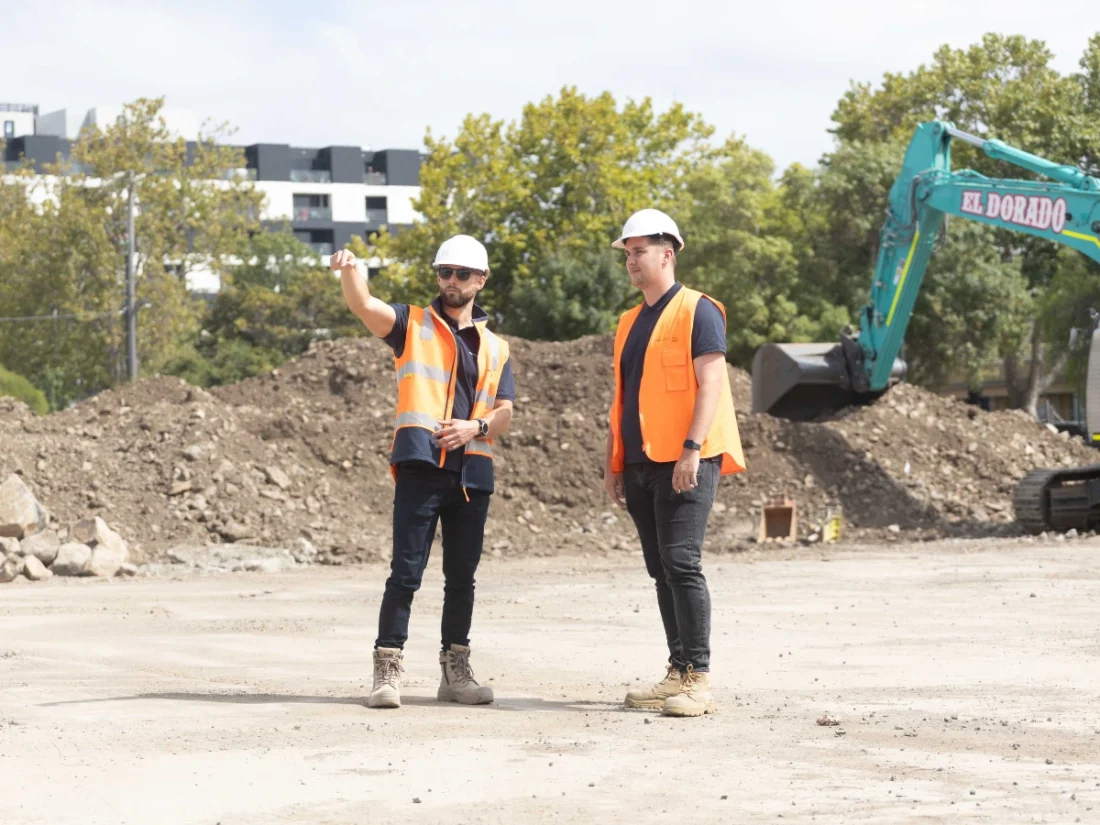
Australia’s trades sector is one of the most lucrative career paths in the country. A tight skills market is pushing salaries higher every year. This guide covers the highest paying trades in Australia with current salary benchmarks and what drives construction trades pay rates at the top end.
Whether you are a tradesperson weighing career options or a business evaluating construction labour hire, this is the breakdown you need.
Key Takeaways
- Electricians, plumbers, and riggers consistently sit at the top of the pay scale, with experienced workers often earning above $100,000 per year.
- Workers holding licensed high-risk tickets such as rigging, scaffolding, or confined space entry earn a significant pay premium on top of their base trade rate.
- A growing skills shortage across the construction industry is pushing wages up across nearly every trade in Australia.
- Employers who know what the highest paying trade jobs actually earn will attract better candidates and waste less time in the hiring process.
- Engaging a specialist provider is one of the fastest ways to access qualified, pay-competitive tradespeople without the overhead of direct employment.
Why Trade Salaries in Australia Are Rising
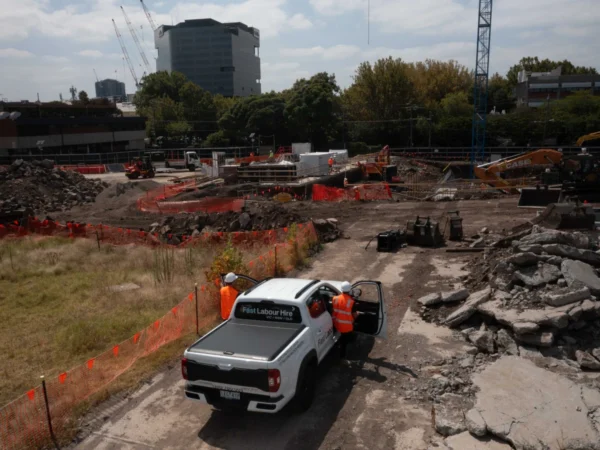
Australia is in the middle of a sustained construction and infrastructure boom. Major investment in housing, energy transition, and public infrastructure has created demand the existing workforce cannot meet. Trade wages are rising as a direct result.
The skills shortage in the construction industry is well documented. Infrastructure Australia has flagged a shortfall of tens of thousands of workers over the next decade. When qualified tradespeople are scarce, their annual salary expectations rise. Employers across construction, manufacturing, and renewables are competing for the same pool of workers. Those who understand the going rates will move faster and lose fewer candidates.
Highest Paying Trades in Australia: Salary Comparison
The table below summarises construction trades pay rates across experience levels. These annual salary figures are drawn from SEEK Salary Insights, the Fair Work Commission, and trade industry bodies.
Rates vary by state, project type, and whether the worker is engaged directly or through a staffing provider. Use this as a planning guide, not a fixed rate card.
| Trade | Entry Level | Experienced | Specialist / Senior |
| Electrician | $65,000 – $80,000 | $85,000 – $115,000 | $130,000+ |
| Plumber | $60,000 – $75,000 | $85,000 – $120,000 | $130,000+ |
| Rigger | $70,000 – $90,000 | $90,000 – $120,000 | $150,000+ |
| Scaffolder | $60,000 – $80,000 | $80,000 – $110,000 | $130,000+ |
| Welder | $55,000 – $70,000 | $75,000 – $105,000 | $140,000+ |
| Steel Fixer | $55,000 – $70,000 | $75,000 – $100,000 | $110,000+ |
| Carpenter | $55,000 – $70,000 | $70,000 – $110,000 | $120,000+ |
| Concreter | $50,000 – $65,000 | $65,000 – $90,000 | $100,000+ |
| EWP Operator | $55,000 – $65,000 | $70,000 – $95,000 | $105,000+ |
| Traffic Controller | $55,000 – $65,000 | $65,000 – $80,000 | $95,000+ |
Sources: SEEK Salary Insights, Fair Work Commission, industry trade body data. Figures are indicative and reflect full-time equivalent earnings including standard allowances.
The Highest Paying Trades in Australia
Here is a trade-by-trade look at what makes each role one of the highest paying trade jobs in Australia, the salary range you should expect, and what employers need to know before hiring.
1. Electrician
Electricians are among the highest paid tradespeople in Australia. The typical electrician salary in Australia sits between $85,000 and $115,000 for a qualified worker with three to five years of experience. Those in high voltage roles or working on large-scale solar projects earn $130,000 or more. Demand from the renewables sector is strong and shows no sign of slowing. If you need renewable energy labour hire, solar and high voltage electricians are among the hardest roles to fill.
What employers should expect: Electricians are in short supply in nearly every state. Budget for above-standard rates on specialist roles. Move quickly when a good candidate is available.
2. Plumber
Plumbing is one of the best paying trades in Australia. A consistent shortage of licensed plumbers relative to building activity keeps the average plumber salary in Australia between $85,000 and $120,000 annually. Gas fitters and those with specialist drainage or fire services experience sit at the top of that range.
In Sydney and Melbourne, $130,000-plus packages for senior plumbers are not unusual.
What employers should expect: Plumbing licences are state-specific. A plumber licensed in Victoria cannot work in Queensland without a separate licence. Fast Labour Hire verifies the correct licence as part of every candidate check.
3. Rigger
Riggers hold licensed high-risk tickets and work in some of the most demanding environments on site. A Basic (RB) licence holder earns from $90,000 upward. An Advanced (RA) rigger working cranes and complex lifts earns $120,000 to $150,000 or more. Our high risk workers page covers the full range of rigging licence classes we supply.
What employers should expect: Licence class matters. An RB and an RA rigger are not the same. Confirm the class your lift requires before requesting a worker.
4. Scaffolder
Scaffolders are in consistent demand across building, industrial, and infrastructure projects. A Basic Scaffolding licence holder earns $80,000 to $100,000 per year. An Advanced licence holder regularly earns $110,000 to $130,000 on complex industrial or high-rise work.
Scaffolders who also carry working at heights or EWP tickets increase their earning potential further.
What employers should expect: Scaffolding rates are sensitive to access difficulty and project complexity. Budget higher for industrial or confined-space work compared to standard residential scaffolding.
5. Welder
Welding spans a wide range of skills and certifications, and pay reflects that. A qualified welder with TIG and MIG certifications earns between $75,000 and $105,000 annually. Structural welders on major projects can reach $120,000 to $140,000 or more. Coded welders, those who have passed formal weld tests to an Australian Standard, are among the most sought-after candidates in manufacturing and warehousing and construction.
What employers should expect: Welding qualifications are not standardised across all roles. Specify the welding process, material type, and any Australian Standard requirements when requesting a candidate.
6. Steel Fixer
Steel fixers are a critical trade on any reinforced concrete project. An experienced steel fixer earns between $75,000 and $100,000 per year. Leading hands and foremen on large commercial or civil projects earn more.
Experienced fixers tend to be selective about where they work. Consistent, well-organised work through a reputable agency is a genuine draw.
What employers should expect: Steel fixers work alongside formwork carpenters and concreters. Sourcing these trades through the same provider reduces scheduling friction on complex pours.
7. Carpenter
Carpenters cover two distinct specialisations with different pay profiles. Formwork carpenters earn between $80,000 and $110,000 annually on commercial and civil projects. Residential finishing carpenters typically earn $70,000 to $90,000. Fast Labour Hire’s carpenter hire service separates these two specialisations rather than treating carpenters as a single category.
What employers should expect: A formwork carpenter and a residential fixing carpenter have different skill sets. Be clear about the project type when requesting a placement.
8. Concreter
Concreters are in demand across residential, commercial, and civil construction. An experienced concreter earns between $65,000 and $90,000 per year. Supervisors and those skilled in pump operation or decorative finishing sit at the top of that range.
On large commercial pours, experienced concreters are regularly placed through staffing agencies because of the project-by-project nature of the work.
What employers should expect: Concrete pours are urgent. A reliable workforce partner who can put an experienced crew on site quickly is worth more than a slower option that misses the pour window.
9. EWP Operator
Elevated Work Platform (EWP) operators are licensed to work at height using scissor lifts, boom lifts, and similar platforms. They earn between $70,000 and $95,000 annually. A tradesperson who also holds an EWP ticket is far more valuable on site. Our construction operators page covers the full range of ticketed operators we supply.
What employers should expect: Every EWP operator placed through Fast Labour Hire holds a current licence and a completed Verification of Competency (VOC). Do not allow an operator onto a licensed machine without confirmed VOC. That onus sits with you as the site controller.
10. Traffic Controller
Traffic controllers working on major infrastructure, night works, and motorway projects earn well above base rates. Entry-level controllers earn around $55,000 to $65,000. Those with advanced cards and traffic management qualifications can reach $80,000 to $95,000 once shift penalties are included. See our traffic controller hire page for the card types and screening criteria we apply.
What employers should expect: White, yellow, and red cards carry different authorisations across states. Always specify the card type and project environment when sourcing a traffic controller.
What Drives Trade Pay Rates Higher

Beyond trade category and years of experience, several factors consistently push individual trade salary above the benchmarks in the table above. Understanding these helps when budgeting for the highest paying trades in Australia on your project.
High-Risk Licences
Workers holding high-risk tickets, including confined space entry, working at heights, dogman, and advanced rigging, accept greater on-site responsibility. These licences take time and money to obtain. They are backed by strict regulations. Expect to pay a loading on top of the base trade rate for any worker holding these credentials.
Location and Project Type
Remote and regional projects, long-shift rosters, and large infrastructure builds attract higher rates than city-based residential work. Workers on renewable energy projects in regional areas typically earn above what the same role pays on a city building site.
Short Notice and Urgent Placements
When a project needs a qualified tradesperson at short notice, the going rate goes up. Working with a staffing provider that has a deep, ready network reduces urgency loading. Access to available candidates is faster. That matters whether you are filling a gap in Melbourne, Sydney, Brisbane, Gold Coast, or Geelong.
Multi-Ticketed Workers
A worker who holds a trade qualification alongside multiple licences is worth more on site than a single-ticket holder. For example, a carpenter with formwork experience, an EWP ticket, and a White Card improves scheduling flexibility and reduces the number of contractors needed for smaller tasks.
Their rates reflect that value. It is usually justified by the productivity they bring.
If you’re comparing roles, our skilled tradespeople placement service covers every trade category listed above across all five states.
What Employers Should Budget For When Hiring Top Tradespeople
Knowing which roles are the highest paying trades in Australia is the starting point. Understanding the full cost of hiring is what lets you budget accurately. Trade wages are one component. Here is what else to factor in.
Base Rate and Award Minimums
The Building and Construction General On-site Award sets the legal minimum rates for construction workers. The Manufacturing and Associated Industries Award covers warehousing and manufacturing roles. Both are published by the Fair Work Commission. Most experienced tradespeople work above these minimums in competitive markets. Treat award rates as the floor, not the target, if you want to attract workers with the skills your project needs.
Superannuation
Employers in Australia pay 11.5 percent superannuation on ordinary time earnings as of the 2024-25 financial year. When you hire through Fast Labour Hire, super is managed by us as the employer of record. That obligation does not sit with you as the host business.
Workers Compensation and Insurance
Workers compensation premiums vary by trade type and state. High-risk trades attract higher premiums. When workers are engaged through a staffing agency, the agency remains the legal employer and carries the workers compensation coverage. That removes a meaningful cost from the host employer.
Compliance and Onboarding
Verifying licences, running site inductions, collecting Safe Work Method Statements, and supplying PPE all carry a real cost when done internally. Engaging a staffing provider transfers most of this overhead to them.
At Fast Labour Hire, our onboarding process handles compliance, paperwork, insurance, and PPE. This is one of the most practical arguments for project-based businesses to use a specialist agency rather than direct employment.
How Labour Hire Gives Employers Access to the Best-Paid Trades

Direct employment of highly skilled tradespeople carries real overhead: advertising the role, screening candidates, verifying licences, setting up payroll, managing super, and carrying workers compensation. For project-based work, that investment rarely makes sense.
Working with a specialist agency removes most of that overhead. The best paying trades Australia has to offer are in demand across multiple industries. At Fast Labour Hire, we maintain an active network of over 500 vetted workers. Whether you need labour hire Melbourne or workers across Sydney, Brisbane, Gold Coast, and Geelong, we can shortlist and mobilise faster than any direct-hire process.
Our four-step process keeps things simple:
- Tailored consultation: we assess your project scope, timeline, and exact skill needs.
- Curated shortlist: we match you with vetted candidates from our network of 500-plus workers.
- Straightforward onboarding: we handle compliance, documentation, insurance, and PPE.
- Ongoing support: our team stays available throughout the placement to ensure things run smoothly on site.
We place tradespeople and skilled labourers across Melbourne, Sydney, Brisbane, Gold Coast, and Geelong. If you are not satisfied with a skilled labourer in the first four hours, we will replace them the same day.
To discuss your project needs, call us on 1300 700 003 or submit an enquiry on our site.
Frequently Asked Questions
What is the highest paying trade in Australia?
Electricians, plumbers, and riggers consistently top the list. Experienced workers in these trades earn well above $100,000 per year. Workers holding high-risk licences and those on large infrastructure projects can earn considerably more.
What trade makes the most money in Australia?
High voltage electricians and advanced riggers are typically at the top when project allowances and licence premiums are included. If you are asking what trade pays the most in Australia overall, the honest answer is that it depends on specialisation, licences held, and the sector.
The highest paid trade in Australia for one project type may not be the same for another.
Are tradespeople in short supply in Australia?
Yes. Australia is facing a significant shortage of qualified tradespeople across construction, manufacturing, and renewable energy. This shortage is pushing wages up. It is also creating strong job security for workers with current licences and verifiable experience.
How much do skilled tradespeople earn through labour hire?
Workers placed through a labour hire agency receive the same or above-award rates for their trade and experience level. At Fast Labour Hire, every worker receives full superannuation and entitlements in line with Australian workplace law.
How do employers avoid overpaying while still getting quality workers?
Work with a construction recruitment specialist that vets candidates before they reach you. A pre-screened tradesperson with confirmed licences and strong references saves money in the long run. An unvetted hire that causes delays on site always costs more. Understanding what experience level a labourer actually needs for each role is a good starting point.
Which trades are happiest in their work in Australia?
Pay is only one part of job satisfaction. Trade workers consistently rank autonomy, variety, and physical activity as key drivers of wellbeing, and the happiest trades in Australia often differ from the highest paid.
Ready to Hire the Tradespeople Your Project Needs?
Fast Labour Hire connects construction, manufacturing, renewable energy, and event employers with the highest paying trades in Australia, and the workers to fill them. From skilled tradespeople to high-risk workers and general labour, we handle the vetting, compliance, and onboarding so you can focus on the build.