
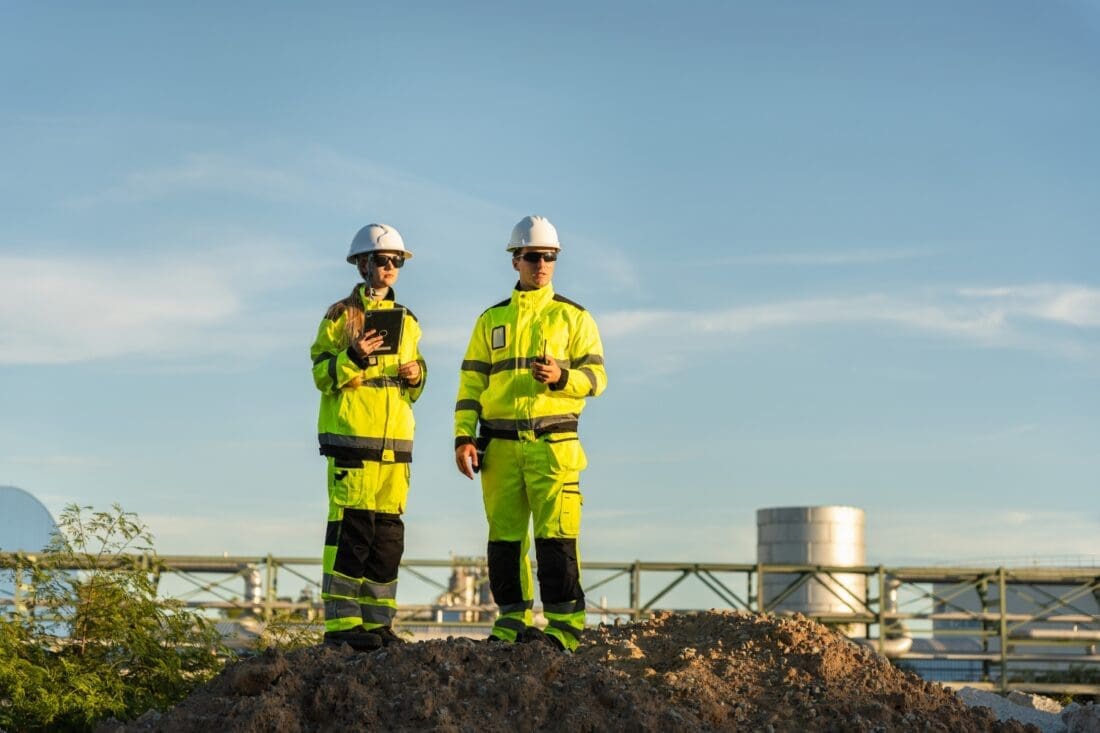
If you are wondering what a high risk work licence is, it is a nationally recognised licence that proves a worker can safely carry out a specific high risk task, such as operating a forklift, erecting scaffolding or rigging a load.
A state or territory work health and safety regulator issues the licence after the worker passes a formal assessment. Without it, the worker cannot legally do the task.
Employers carry the risk too. Putting an unlicensed worker on a licensed task puts people at risk and exposes your business to prosecution.
This guide covers what the licence includes, how workers get one and how employers check it. If you need licensed crews now, Fast Labour Hire places high risk workers across construction, warehousing, events and renewables.
Key Takeaways
- A high risk work licence is a national licence that proves a worker can safely carry out a listed high risk task, such as forklift operation, scaffolding, rigging, dogging or crane work.
- State and territory work health and safety regulators issue the licence after a worker completes accredited training and a competency assessment.
- A licence is not the same as a White Card, a verification of competency or other construction tickets, because each one proves something different.
- Licences last five years, and workers must renew them before they expire.
- Employers and labour hire providers both carry WHS duties, so check the licence class and expiry date before any licensed task starts.
What Is a High Risk Work Licence and Who Needs One?
A high risk work licence covers a legal list of tasks that carry a serious risk of injury or death. If a task is on that list, only a licensed worker can do it.
Who Must Hold the Licence?
The person carrying out the task must hold the licence. A business cannot hold it on a worker’s behalf, and a supervisor’s licence does not cover the crew.
Licence, White Card or VOC: What Is the Difference?
Workers and sites often use the word ticket for this licence. That habit causes confusion, because any list of construction tickets includes far more than licensed work. The table below separates the main credentials.
| Credential | What it proves | Where it applies |
|---|---|---|
| High risk work licence | The holder passed a national assessment for a listed high risk task | Forklifts, scaffolding, rigging, dogging, cranes and large boom lifts |
| White Card | The holder completed general construction induction training | Entry to any construction site |
| Verification of competency (VOC) | The holder showed they can operate a specific machine safely | Site-specific checks on plant and equipment |
| Task-specific training | The holder completed training for a task such as working at heights or confined space entry | Tasks with fall, enclosed space or similar risks |
A worker with a White Card and a verification of competency (VOC), for example, still needs a licence to drive a forklift. The other credentials do not replace it.
Most general labourers need a White Card but not a licence, because their tasks are not on the licensed list. Move them onto a forklift or a scaffold, and that changes.
What About High Risk Construction Work?
High risk construction work is a separate legal category. It includes work at heights above two metres, demolition and work in confined spaces.
These activities need a safe work method statement, and some also need a licence of their own. Asbestos removal, for instance, has its own licence classes outside the high risk work licence scheme.
Which Tasks Count as High Risk Work Activities?
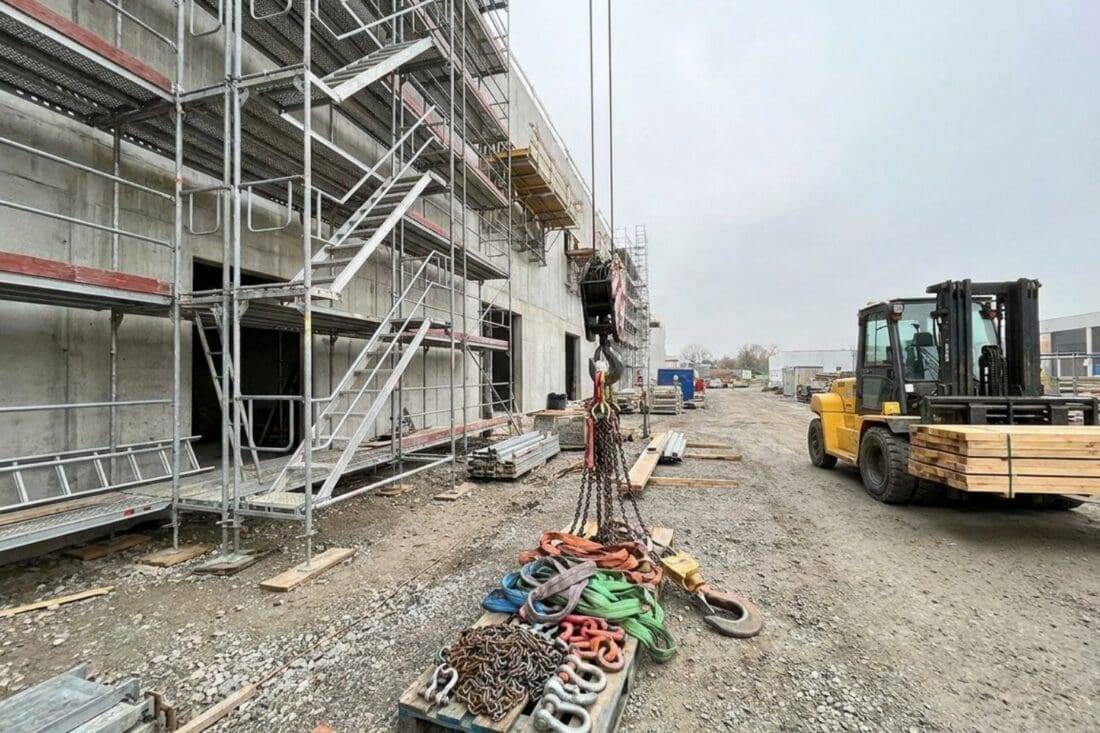
Not every dangerous job needs a licence. The scheme covers a set list of high risk work activities, grouped mainly by equipment type.
| Work type | Licence classes | Where you see it |
|---|---|---|
| Scaffolding | Basic (SB), intermediate (SI) and advanced (SA) | Commercial and residential builds, stages and events |
| Rigging | Basic (RB), intermediate (RI) and advanced (RA) | Construction, event staging and wind projects |
| Dogging | DG | Crane lifts on any site |
| Forklift operation | LF (forklift truck) and LO (order-picking truck) | Warehouses, factories and building yards |
| Crane and hoist operation | Classes vary by crane type and lifting capacity | Construction and infrastructure projects |
| Boom-type elevating work platform | WP (boom length of 11 metres or more) | Facade, steel and services work at height |
Some groups have levels inside them, so a basic licence will not cover advanced work. Check the high risk work licence classes against the task before you assign it.
Scaffolding, Rigging and Dogging
These three licences often work together on one lift. A scaffolder builds the structure, a rigger prepares the load, and a dogman guides the crane.
Demand for these roles spans several sectors. Event labour hire clients need riggers for staging and lighting, while renewable energy labour hire projects need riggers and dogmen for turbine lifts.
Forklifts and Elevating Work Platforms
Anyone driving a forklift truck needs a licence, whether the site is a warehouse, a factory or a building yard. Warehouse labour hire clients often need licensed operators when demand spikes.
Boom-type elevating work platforms need a licence when the boom length is 11 metres or more. Scissor lifts and shorter booms do not, although many principal contractors still ask for EWP training and a VOC.
Cranes, Hoists and Pressure Equipment
Crane licences depend on the crane type and its lifting capacity. Hoist, boiler and turbine licences also exist, but they are less common on construction sites.
For the machines you see most on site, Fast Labour Hire’s construction operators hold whatever licence and VOC the machine requires. That covers scissor lift, boom, hoist, tower crane and forklift operators.
How Do You Get a High Risk Work Licence?
The path follows the same pattern for every class, although fees and forms differ by state.
Step 1: Pick the Right Class and Check You Are Eligible
Choose the class that matches the equipment you will use. You must be at least 18 years old, and you need a Unique Student Identifier to enrol in nationally recognised training.
Step 2: Complete Training and Assessment
Enrol with a registered training organisation (RTO) that offers your class. Costs and course lengths vary by provider, so ask for a full quote first. The RTO must assess you as competent before you can apply for the licence.
Step 3: Apply to Your State or Territory Regulator
Lodge your application, proof of identity, assessment paperwork and fee with the regulator. That is WorkSafe Victoria in Victoria, SafeWork NSW in New South Wales, Workplace Health and Safety Queensland in Queensland and SafeWork SA in South Australia.
Safe Work Australia develops the model laws behind the national scheme, but each regulator processes its own applications. SafeWork NSW, for example, regulates both licensed work and high risk construction work in NSW.
Step 4: Carry Your Licence and Keep It Current
Once the regulator issues your high risk work licence, keep the card with you when you work. Licences last five years, so renew before the expiry date and check your state’s rules on late renewals.
How Do Employers Check a Licence Before Work Starts?

A licence only protects a site when someone checks it. Under WHS law, a business must not let a worker carry out licensed work without the right licence.
What Happens If Someone Works Without a Licence?
Regulators can stop the work, issue notices and prosecute both the business and the individual. After an incident, investigators will also look at whether the worker held the right high risk work licence.
What to Check on the Card
Before any licensed task begins, confirm these details against the card in front of you:
- The class matches the task, because a basic scaffolding licence does not cover advanced work.
- The expiry date is still in the future.
- The name and photo match the worker.
- Any conditions on the card suit the task.
- A dated copy of the check goes on file.
Who Checks When You Use Labour Hire?
When you use labour hire, you share responsibility with the agency. Under the PCBU framework, the host and the agency are both persons conducting a business or undertaking, so each carries concurrent WHS duties that neither can contract out of.
A good provider checks every licence before placement. You should still sight the card on site, because your duty to manage the work environment stays with you.
Why Hire Licensed High Risk Workers Through Fast Labour Hire?
Checking licences takes time that most site teams do not have. Fast Labour Hire does that work before the worker arrives, so your crew starts on programme with the right licences and tickets.
Our high risk candidates go through background and reference checks, and we match them to roles that fit their licences. Our safety and compliance standards include ISO 45001 accreditation and coaching from Pursuit of ZERO.
Fast Labour Hire began as a labour hire Melbourne business in 2013. Today, our teams place workers across Victoria, New South Wales, Queensland and South Australia.
Frequently Asked Questions About What Is a High Risk Work Licence
How long does a high risk work licence last?
A high risk work licence lasts five years. Workers must renew before it expires, and each state sets its own rules for late renewals. Anyone with an expired licence cannot carry out licensed work.
Is a high risk work licence the same as a White Card?
No. A White Card shows a worker completed general construction induction, while a high risk work licence proves competence in a specific licensed task. Workers doing licensed work on a construction site usually need both.
Is a high risk work licence valid in every state?
Yes. High risk work licences are nationally recognised, so a licence from one state or territory is valid in the others. Workers should still confirm that the class matches the task.
Do you need a licence to operate a scissor lift?
Not under the high risk work licensing scheme, which covers boom-type platforms with a boom length of 11 metres or more. Many principal contractors still ask for EWP training and a VOC, so check site rules first.
Can a labour hire company supply workers with a high risk work licence?
Yes. A specialist provider verifies each licence before placement. The host should still sight and record it on site, because both parties carry WHS duties.
Hire Licensed High Risk Workers Across Australia
Fast Labour Hire places licensed riggers, scaffolders, dogmen and operators across Melbourne, Sydney, Brisbane, Geelong, the Gold Coast and Adelaide.
Tell us the task, the site and your start date, and we will match you with workers who hold the right licences. If you hold a licence and want steady site work, apply with us too.


